

Industrial ceramics, also known as engineering ceramics or advanced ceramics, combine exceptional mechanical, thermal and chemical strength with outstanding wear resistance, making them essential in today’s ever-evolving industrial world. These materials play a critical role across a far wider range of manufacturing processes than many people realise.
When most people think of ceramics, traditional pottery or decorative items often come to mind. Industrial ceramics, however, are engineered to a far higher specification and are specifically designed to solve complex engineering challenges — from smelting operations to automotive braking systems.
The primary materials used in industrial ceramics include oxides, nitrides, carbides and composite materials. These materials are ideally suited to environments where reliability, performance, safety and longevity are critical. Compared to conventional materials, industrial ceramics offer a unique combination of benefits, including exceptional heat resistance, hardness, and resistance to wear and corrosion.
These benefits make industrial ceramics indispensable across a wide range of applications, including:
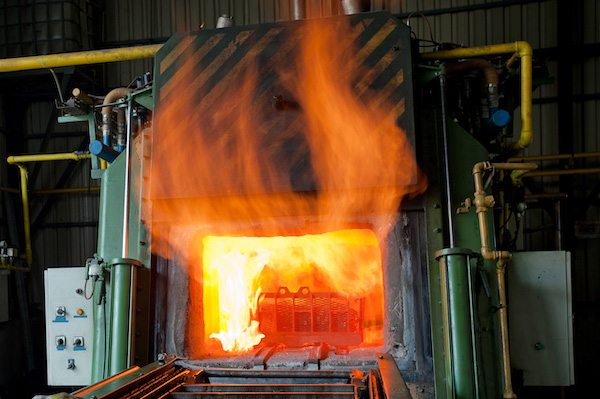
- Thermal Applications: Industrial ceramics are essential in high-temperature environments. Their ability to withstand extreme heat while remaining lightweight provides reliable performance in demanding conditions. Applications include temperature measurement, molten metal handling, heat treatment, ceramic manufacturing, power generation and glass production.
- Electrical Industry: Ceramics are key components across the electrical industry, from fuse bodies to substrates used in modern computer chips. Applications include power distribution, heating, lighting, electrical insulation, medical scanners, electronics and solar technologies. Their ability to form complex shapes, combined with excellent electrical insulation and low dielectric loss, makes ceramics indispensable in modern electrical systems.
- Mechanical Applications: Their resistance to wear and high temperatures makes industrial ceramics ideal for thermo-mechanical applications. Uses include pumps, mining equipment, medical implants and general engineering components such as slides, liners, mixers, rollers and dies. Additional benefits include dimensional stability, precision manufacturing, high surface quality and exceptional hardness.
- Chemical-Resistant Applications: Industrial ceramics perform exceptionally well when exposed to solid, liquid and gaseous substances that would damage many other materials. Applications include oil and gas, chemical processing, water treatment, medical, automotive, scientific and mining industries. Benefits include chemical resistance, non-reactivity, biocompatibility, dimensional stability and excellent wear resistance.
- Optical Applications: Quartz glass provides extraordinary optical transmissivity for ultraviolet light. Its low coefficient of thermal expansion (CTE) allows it to withstand extremely high operating temperatures. Few materials can match quartz glass for UV-light transparency. Applications include space technology, UV-grade quartz glass components, high-temperature systems, prisms and beam splitters. Key benefits include low CTE, a broad operating temperature range, high thermal shock resistance, material purity and low fluorescence.
Industrial Ceramics: A Superhero Material
The properties of industrial ceramics, when compared with materials such as metals and rubbers, can significantly improve manufacturing efficiency, product quality and operational longevity. Their hardness and wear resistance help reduce maintenance costs, while their thermal stability and corrosion resistance allow them to operate effectively in extreme environments where other materials may fail.
Industrial ceramics truly are a superhero material, playing a crucial role in driving modern manufacturing and engineering forward — helping shape a more sustainable future while empowering industries to thrive.
For more detailed information on industrial ceramics and their applications, visit www.anderman.com.
Gary Hateley
Director at Anderman & Company