



Material reference
Aluminium Nitride AlN
High thermal conductivity electrical insulator. AlN approaches metal-level heat transfer while remaining dielectric — the specifier's choice for power-electronics substrates.
Used for: power-electronics substrates · heat spreaders · IGBT modules · LED carriers · semiconductor handling · molten-metal nozzles
At a glance
Six critical properties
Very high thermal conductivity
Excellent thermal shock resistance
High stiffness and strength
Very good electrical insulation
Low thermal expansion
Stable at high temperature (up to 1100 degC)
Highly machineable to complex shapes
Products in this material
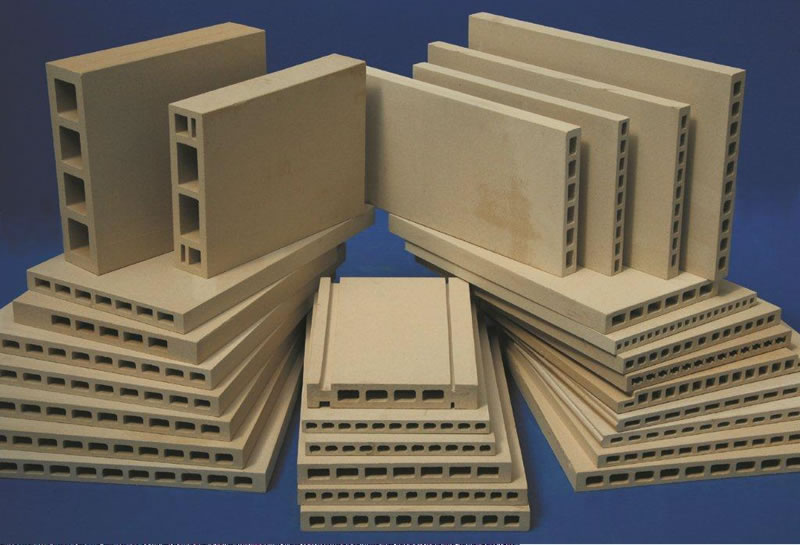
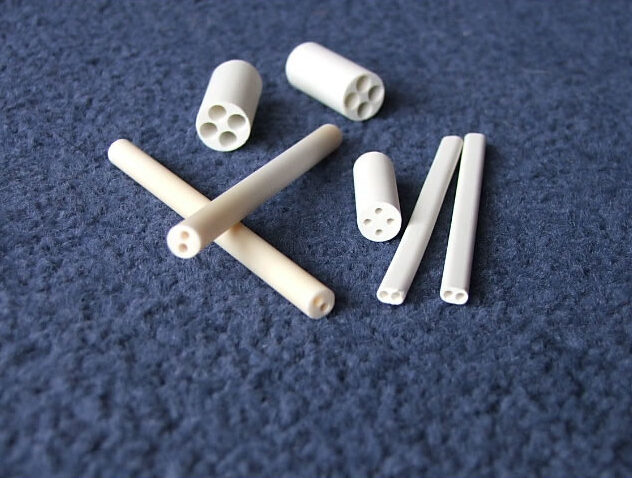
Aluminium Nitride products
More Details
This material is not limited to the products and applications illustrated above. For more information, or to find out about other products/applications, please click here.
Aluminium nitride is a compound of aluminium and nitrogen, typically produced as a high-purity technical ceramic. In ceramic form, AlN is characterised by its excellent thermal conductivity, electrical insulation, and stability under extreme operating conditions. Unlike traditional ceramics such as alumina (Al₂O₃), aluminium nitride stands out because it can transfer heat at rates approaching those of some metals, while still functioning as an electrical insulator.
AlN ceramics are generally manufactured through powder processing, pressing, and sintering in controlled atmospheres to ensure high density and minimal impurities. The result is a ceramic material that is highly suitable for demanding electronic and semiconductor environments.
Request the Aluminium Nitride datasheet
Full property data, grade comparison, machining guidance and typical applications. EN and FR versions available.
At a glance
Applications
Electronic susbtrates
Substrate plates
Semi-con manufacturing
Heat exchangers & thermal management systems
Precision components
Considering alternatives?
Compare with related materials


FAQs
Frequent technical questions
How does AlN compare to alumina for substrates?
AlN’s thermal conductivity is roughly 8–10× higher than 96% alumina, but its dielectric strength and CTE are also in the right band for power-semiconductor substrates. Where heat dissipation governs, AlN is the right call; for less thermally loaded parts, alumina remains cheaper.
Is AlN affected by moisture?
AlN slowly hydrolyses in humid conditions, forming a thin surface aluminium-hydroxide layer that releases trace ammonia. For most packaged electronic applications this is negligible; sealed devices are unaffected.
Can AlN run in oxidising atmospheres?
AlN forms a protective alumina layer in air to ~700 °C. For higher-temperature oxidising service, specify with us — service ceilings depend on grade, geometry and atmosphere.
No FAQs match your search. Try a different keyword or contact us directly.
Need help choosing a grade? Talk to our materials team.
Tell us your operating temperature, the chemistry it'll see and any mechanical loads. We'll specify a grade — or recommend an alternative material — and link you directly to matching products.