



Material reference
Cordierite 2MgO·2Al₂O₃·5SiO₂
Outstanding thermal-shock resistance from a very low expansion coefficient. The proven specification for kiln furniture and catalyst supports operating through rapid temperature cycling.
Used for: kiln furniture · catalyst supports · diesel particulate filters · heater plates · heat-exchanger cores
At a glance
Six critical properties
Exceptional thermal shock resistance
High strength
Low thermal expansion
High temperature stability
Products in this material
Cordierite products
More Details
This material is not limited to the products and applications illustrated above. For more information, or to find out about other products/applications, please click here.
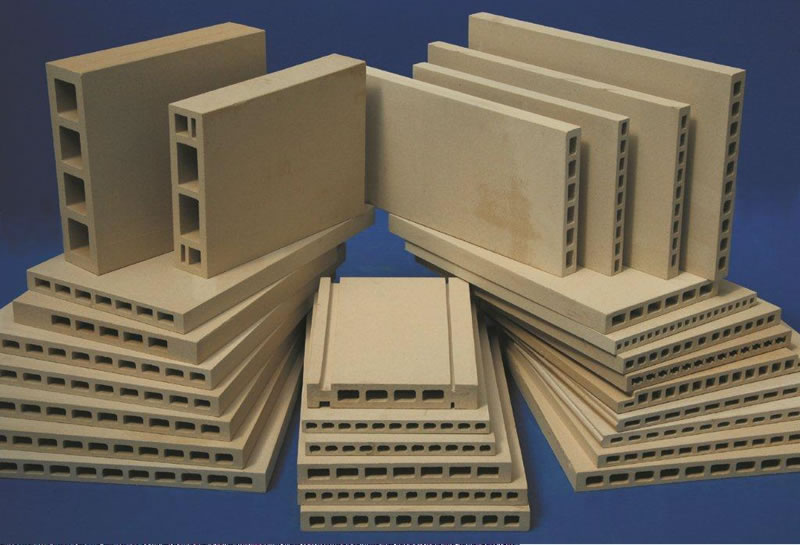
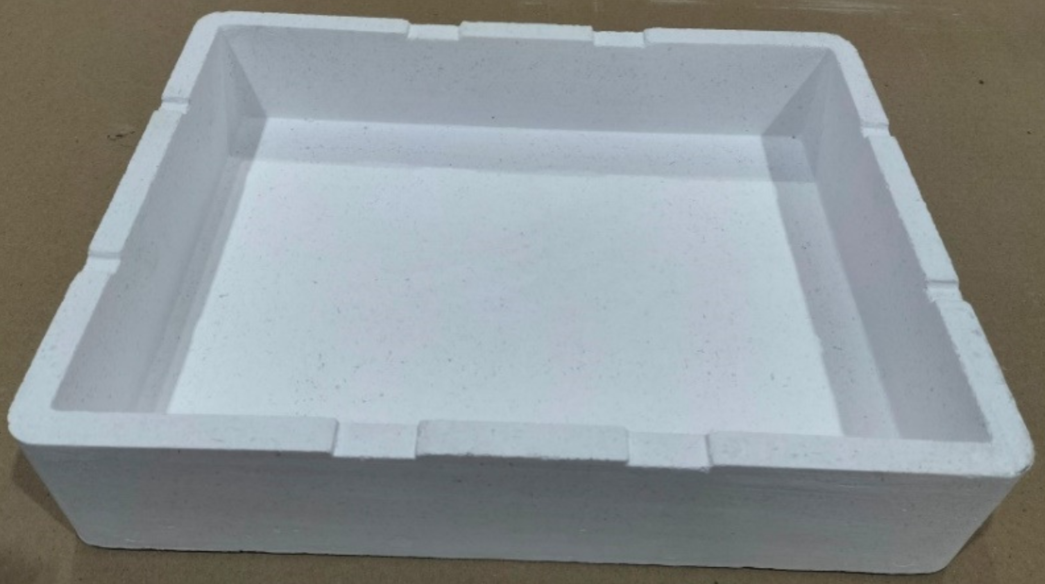
Cordierite (Mg₂Al₄Si₅O₁₈) Ceramics have one of the lowest thermal expansion coefficients of all advanced ceramic materials, combined with exceptional thermal shock resistance, making them ideal for applications subject to rapid and extreme temperature cycling. At present, Cordierite has been widely used in kiln furniture, setter plates, saggars, catalytic converter substrates, diesel particulate filter supports, honeycomb structures, and other high-temperature process components. Its outstanding dimensional stability under thermal stress makes it a preferred choice for precision components in demanding thermal environments.
Cordierite is widely used in the fields of automotive exhaust treatment, industrial filtration, refractory engineering, electronic substrate manufacturing, and energy-efficient kiln technology, among others.
Request the Cordierite datasheet
Full property data, grade comparison, machining guidance and typical applications. EN and FR versions available.
At a glance
Applications
Kiln furniture
Setter plates
Heat exchanger cores
Firing supports
Saggers
At a glance
Grades
Dense CordieriteStandard CordieriteCordierite-Mullite grades
Considering alternatives?
Compare with related materials


FAQs
Frequent technical questions
Why is cordierite the standard catalyst substrate?
Its near-zero thermal expansion lets a honeycomb survive a cold start and a 900 °C exhaust pulse in the same minute without cracking — and it can be extruded into thin-walled, high-surface-area geometries that no other refractory accepts at that scale.
When should I specify cordierite over mullite?
Cordierite wins on thermal-shock resistance and cost; mullite wins on temperature and strength. Below 1300 °C with rapid cycling, cordierite is usually the right call. Above 1300 °C or where mechanical load matters, step up to mullite.
What's the upper temperature limit?
Continuous service to ~1300 °C in dense forms, ~1250 °C in extruded honeycomb. Above this, the cordierite phase begins to decompose; specify mullite or higher-alumina refractories instead.
No FAQs match your search. Try a different keyword or contact us directly.
Need help choosing a grade? Talk to our materials team.
Tell us your operating temperature, the chemistry it'll see and any mechanical loads. We'll specify a grade — or recommend an alternative material — and link you directly to matching products.