







Material reference
Alumina
Aluminium oxide — the workhorse oxide ceramic. Hard, wear-resistant, electrically insulating, chemically inert and stable to 1750 °C. Densities and purities from 95% up to 99.99% Al₂O₃.
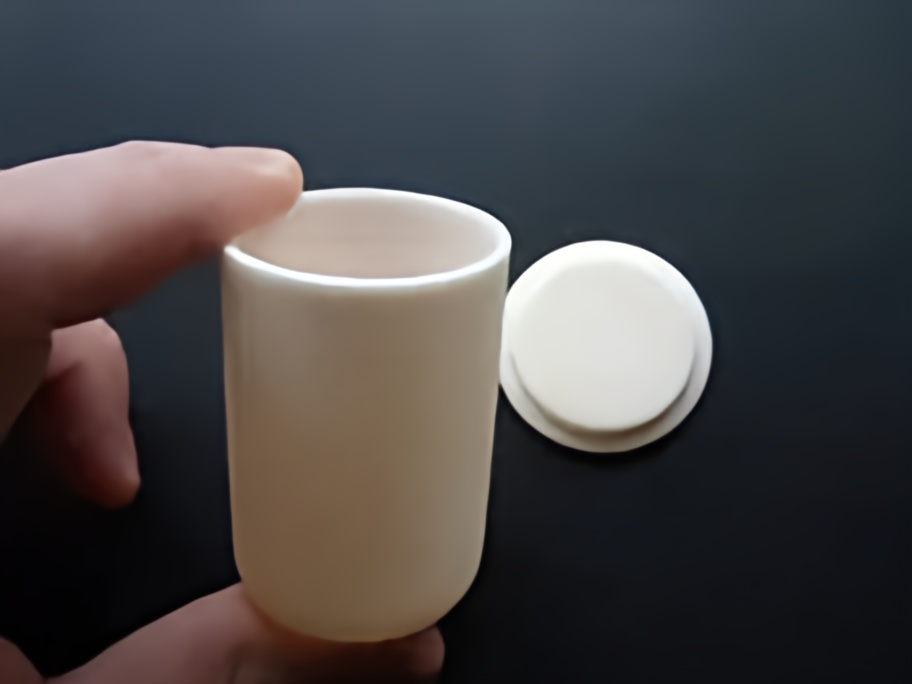
Used for: furnace tubes · crucibles · insulators · atomising nozzles · kiln furniture · seal rings · wear plates
At a glance
Key Properties
High strength and hardness
High temperature stability
Corrosion resistance - even at high temp
Excellent electrical resistance
High wear resistance
High temperature resistance
Dense or porous material grade
Products in this material
Alumina (dense) products
More Details
This material is not limited to the products and applications illustrated above. For more information, or to find out about other products/applications, please click here.
Aluminium oxide provides the basis for one of the most important technical oxide ceramic material groups. Alumina ceramics materials have established themselves as the material of choice for a wide range of applications as modern technologies demand improved performance in order to push products and processes to greater limits.
Industrial alumina ceramics parts made from alumina oxide are usually composed of alumina with additions of other materials such as silica or magnesia. Alumina ceramics contents tend to range from 72% up to 99.99% alumina for some applications. Higher alumina contents are generally used where the application demands a higher performance in terms of temperature or wear capability.
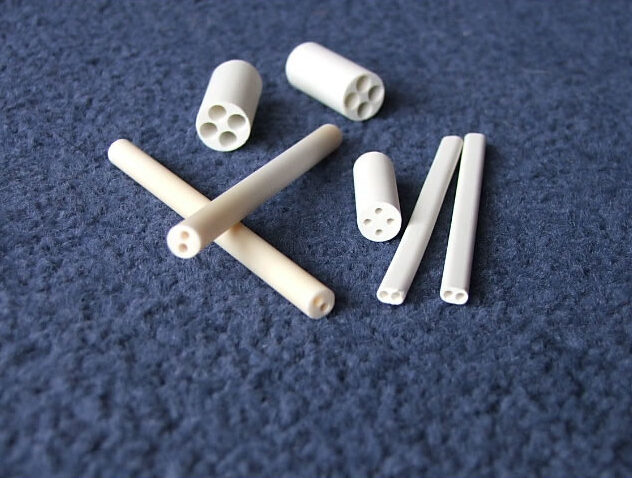
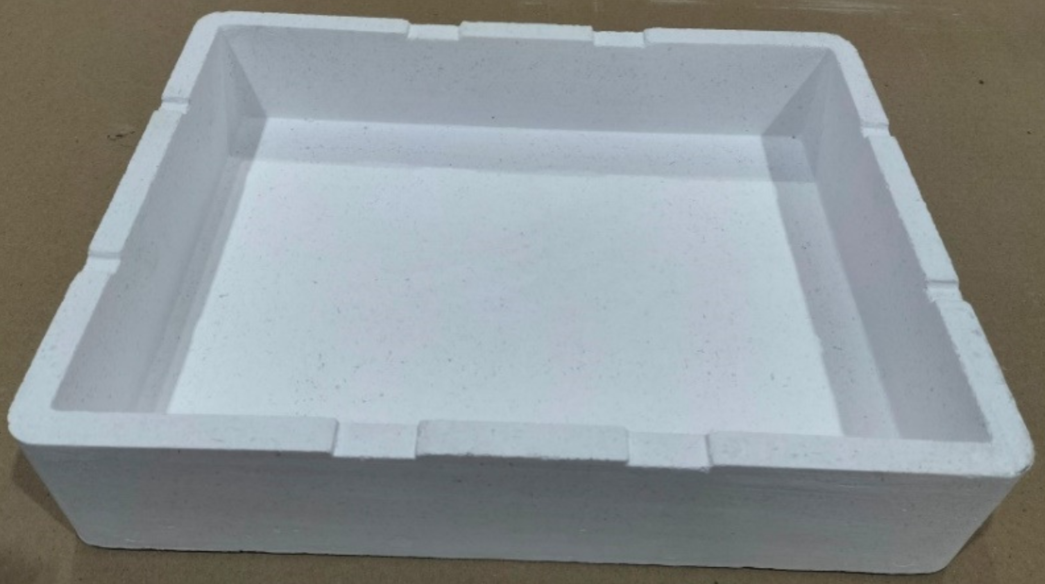
An extensive range of high purity alumina ceramics materials for use in high temperature, wear, corrosive or electrical insulation applications are available from Anderman Industrial Ceramics and its partner network. Stock is available in rods, tubes, thermocouple protection tubes, plates, crucibles, insulators. Special alumina ceramics shapes also available on request according to specific and discreet customer demands.
Request the Alumina datasheet
Full property data, grade comparison, machining guidance and typical applications. EN and FR versions available.
At a glance
Applications
Protection tubes
Electrical insulation
Furnace tubes
Pump parts
Semi-con manufacturing
Laboratory Equipment
Substrate plates
Precision components
Metal filtration
Molten metal processing
Pusher plates
Furnace construction and repair
Saggers
Crucibles
At a glance
Technical/Dense Grades:
Technical/Dense
95% Alumina96% Alumina99% Alumina99.5% Alumina99.7% Alumina99.9% AluminaZirconia Toughened Alumina
Refractory/Porous
90% Alumina95% Alumina96% Alumina99% Alumina99.5% AluminaZirconia Toughened Alumina
Considering alternatives?
Compare with related materials


FAQs
Frequent technical questions
Can alumina be porous or dense
yes, different properties of both materials and can be made to different shapes/geometries depending on application requirement.
Will dense alumina survive thermal shock?
Dense will survive thermal shock requirements, but if there is very fast thermal cycling better to use a porous material option
Can dense alumina be metallised for brazing?
Yes. High-purity grades (EA995 and above) accept moly-manganese metallisation followed by nickel and braze layers, producing vacuum-tight metal-ceramic seals used in lamps, vacuum feedthroughs and electronics packages.
What’s the practical upper temperature limit?
Continuous use to 1700–1750 °C with appropriate grade selection. Above this, strength falls and creep accelerates; specify mullite or rare-earth oxides for sustained service at higher temperatures.
When should I choose porous over dense alumina?
Porous grades excel where thermal shock dominates, or where the part must filter, diffuse or support — anywhere openness is a feature, not a flaw. For sealing, structural load or pressure containment, stay with dense alumina.
How is porosity specified?
This can be given as either bulk or apparent porosity showing the amount of air in the material body, typically up to a maximum of 25%, or can be given for ceramic filters which are specific product range, and defined as the number of pores per inch in the material (PPI)
How does Zirconia Toughened Alumina differ from alumina?
Material is lower alumina percentage (85-95%) with balance made from zirconia as opposed to silica for other alumina grades. This gives improved strength and thermal shock resistance. There are several different ZTA grades available depending on product shape – so speak to team.
How to determine the correct alumina percentage?
Application requirements for maximum operating temperature, mechanical strength, thermal shock, shape/geometry – speak to one of our team to find out which material grade is best for you
No FAQs match your search. Try a different keyword or contact us directly.
Need help choosing a grade? Talk to our materials team.
Tell us your operating temperature, the chemistry it'll see and any mechanical loads. We'll specify a grade — or recommend an alternative material — and link you directly to matching products.